


· By Alexa M
Why Is My Pool Filter Pressure High?
Ever glanced at your pool’s filter pressure gauge and thought, “Why on earth is this number climbing?” Trust me, you’re not alone. That little dial is like the pulse of your pool filter system, telling you when things are running smoothly—or when something’s definitely off. When the pressure spikes, it’s a heads-up that water flow is being throttled somewhere in the system. We’ve helped plenty of pool owners and pros figure this out, and today, we’ll break down what’s going on with your pool filter pressure, how to get it back in line, and how to keep it that way, with a little help from our friends at AquaMax Store.
Understanding Pool Filter Pressure
Let’s start at the beginning: pool filter pressure is essentially the measure of water pressure pushing through your filter system. Easy enough, right? But here’s the catch—too low or too high isn’t good news. A sweet spot of pressure means your pool water is getting the thorough cleaning it deserves and your pool pump impeller isn’t working overtime. Too much pressure? That’s often a sign your pool filter system is struggling, and that’s when problems begin piling up.
What Is a Pool Filter Pressure Gauge?
How the Pressure Gauge Works
You’ve got a pressure gauge connected to your filter tank that measures pounds per square inch (PSI)—think of it as your pool’s own little barometer for cleanliness. Most gauges on the market go up to 60 PSI, and they’re constantly keeping you posted on your system’s health. When that needle moves, it’s trying to tell you something important about water pressure and filter condition.
Finding Your System’s “Normal” Pressure
Here’s a handy trick: after a fresh backwash or cleaning, jot down your pressure gauge reading. That’s your baseline — your “clean” pressure. When things start creeping up 8 or 10 PSI beyond that, it’s a clear message: time to roll up your sleeves and get to work on maintenance.
What Causes High Pool Filter Pressure?
1. Dirty or Clogged Filter Media
Hands down, one of the biggest culprits behind high pressure is dirty filter media. Debris builds up, water flow slows, and your pump impeller has to push harder—leading to elevated filter pressure. Now, how you clean the filter depends on what you’ve got:
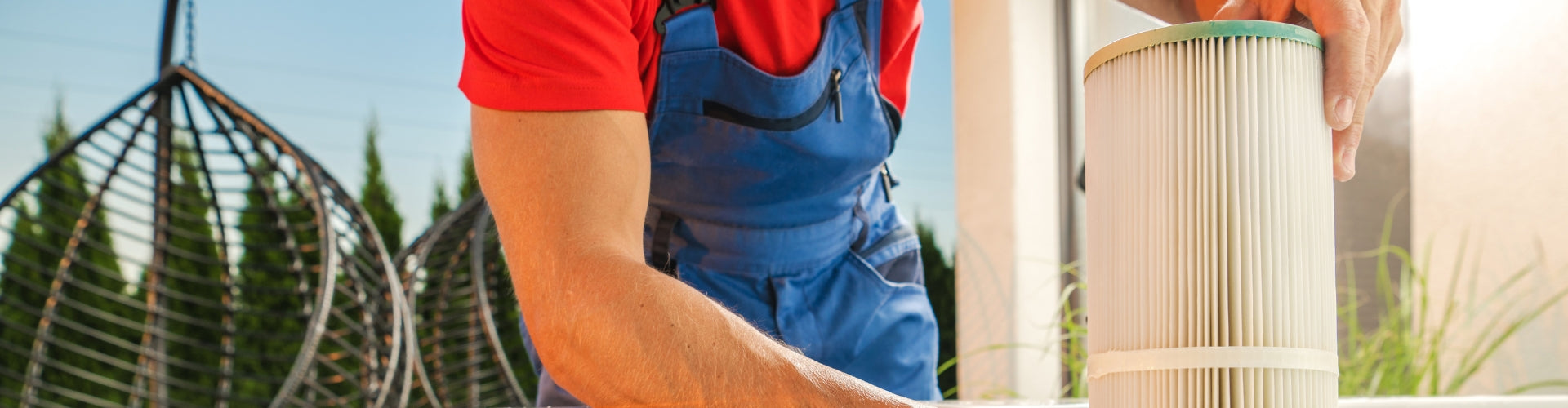
- Cartridge filters? Pop out the cartridge, hose it down, or soak it in a quality filter cleaner—no shortcuts here.
- DE filters? Time for a backwash and a fresh dose of DE powder to keep things humming along.
- Sand filter? A thorough backwash is your friend, and remember to swap out the sand every 3 to 5 years to avoid unnecessary resistance.
2. Blockage After the Filter
Sometimes, the problem isn’t in the filter itself but downstream. Blocked return lines, closed filter valves, or anything restricting water flow after the filter tank will jack up your pressure gauge readings. It boils down to good old water pressure—not something to mess with if you want a happy pool filter system.
3. Oversized or Overpowered Pump
Ever heard the saying, “Too much of a good thing”? The same applies here. If your pool pump is too powerful for your filter, it can push water faster than the system can handle, causing constant high pressure. If you’re seeing those pressure gauge needles skyrocket often, size matters—check your pump impeller’s specs. Sometimes dialing down the speed or switching to one with the right flow rate is the way to go.
4. Clogged Breather or Air Relief Tube
Don’t overlook the air relief valve or the air bleeder assembly; these little guys release trapped air, which otherwise can cause sudden spikes in air pressure inside your filter tank. When clogged, air builds up, pushing filter pressure readings higher. Clean or replace these parts regularly—you’ll thank yourself later.
5. Closed or Partially Closed Diverter Valves
Here’s a simple one that often trips folks up: if any filter valves or diverter valves are closed halfway or misaligned, water flow can’t return properly, causing high pressure. It’s like trying to breathe through a straw—just doesn’t work well.
6. Incorrect or Faulty Filter Media Installation
If you’ve ever tried to fit a square peg in a round hole, you know how disastrous it can be. Using the wrong cartridge or the wrong amount of sand in your pool filter system creates restrictions that aren’t always obvious until that pressure starts rising. Always check your filter manufacturer’s guidelines before swapping out media.
Other Possible Issues
Air Trapped in the System
Air in your pool filter system is more than just annoying—it can mask real filter pressure issues. Suction-side air leaks or poor priming introduce bubbles that mess with readings, causing fluctuating and often high pressure. After cleaning or startup, crack open that air relief valve to purge any trapped air—don’t ignore the air bleeder assembly.
Malfunctioning Pressure Gauge
Sometimes, the pressure gauge itself is the troublemaker. If it’s stuck, cracked, or giving you wild readings like it’s lost its marbles, it needs a swap. And yes, turn off your pump and use Teflon tape when installing a new one—trust us on this.
How to Fix and Prevent High Filter Pressure
Step-by-Step Troubleshooting Checklist
- Shut down your pump and release any trapped air via the air bleeder assembly—safety first.
- Give your filter media a thorough cleaning—don’t skimp here.
- Examine all return lines, filter valves, and fittings for blockages or leaks—sometimes the problem hides in the shadows.
- Double-check that your pump impeller speed matches your pool filter system’s needs; oversized pumps can throw a wrench in the works.
- Swap out any faulty parts like the pressure gauge or air relief valve without delay.
Preventive Maintenance Tips
- Make it a habit to check your filter pressure gauges weekly—it’s a little investment with a big payoff.
- Keep your pool water chemistry on point to minimize scale—nobody wants stubborn deposits slowing things down.
- Maintain a steady water level so your pump stays happy and your pool filter system doesn’t dry out.
- And if things persist? Don’t be shy about calling in a pro—sometimes prevention means knowing when to delegate.
When to Call a Pool Professional
Look, we get it. You’re handy, you like rolling up your sleeves, and sometimes you just want to fix things yourself. But if your pressure gauge keeps hanging out 10 PSI or more above normal despite your best efforts, or if you hear odd noises and see air bubbles in return lines, or unexpected leaks crop up, it’s time for expert eyes.
Recommended Products for Maintaining Healthy Pool Pressure
- AquaMax Stabilized Chlorine Tablets — to keep your pool water sanitized and reduce gunk that likes to clog up the works.
- AquaMax Replacement Filter Cartridges — for reliable, long-lasting performance that plays nice with your pool filter system.
- Filter Cleaners and Test Kits — because routine maintenance and balanced pool water chemistry are your secret weapons.
You’ll find these and more waiting for you in the AquaMax Store product collection—a pool care treasure trove.
Keep Your Pool Flowing Smoothly
Let’s be real: high pool filter pressure usually means your system is crying out for attention—dirty filters, clogged lines, or misfit parts. Keeping an eye on your pool filter pressure gauge, cleaning the filter regularly, and tending to your equipment with care will help you dodge expensive repairs and keep your pool water crystal clear and inviting. And whenever you need a trusted partner for top-notch pool maintenance products, remember, AquaMax Store is here for you—with the expertise and goods to back it up. Because, hey, we all deserve a pool that’s more oasis, less hassle.